The Verizon iPhone has finally become a reality thanks to years' worth of collaboration between Apple and the "nation's most reliable network." We—and everyone else on the Internet—have been flooded with questions about the new and improved iPhone, Verizon's network, how the details compare to AT&T's version of the hardware, and more. Here, we answer many of the questions we've heard people asking and try to address the nuances behind the main question on users' minds: should I switch?
When can I get it and how much!?
Verizon is taking preorders starting on February 3, and the phone will be available in Apple and Verizon retail stores on February 10. The 16GB device will cost $199 with a two-year contract and the 32GB will cost $299 with contract, though Verizon says that customers will be able to buy an unsubsidized iPhone with no contract as well. To our knowledge, the company has not said how much a contract-free phone will cost.
Does this mean I can take my current iPhone to Verizon now without having to buy a new one?
No. If you want to switch carriers and you already have an iPhone, you'll have to buy a new one that works on Verizon's network. Verizon uses CDMA while all previous iPhones manufactured up until this point (whether from the US, Canada, Europe, or even Asia) come equipped with GSM capabilities, and the two technologies don't mix.
If you're desperate to join the Verizon clan, what you can do is sync your AT&T iPhone with iTunes before ditching it in the gutter, then restoring your shiny new Verizon iPhone from the backup. Then, at the very least, your settings and apps will all be the same (you can sync your previously downloaded apps back to your new iPhone even if you don't restore it from backup, too). If all you're doing is switching from one iPhone to another, you won't have to pay twice to buy your apps again, even if the phones are on different networks.
What are the speed differences between Verizon's 3G network and AT&T's 3G network?
The AT&T iPhone currently makes use of High-Speed Downlink Packet Access (HSDPA) on AT&T's GSM network, which offers a theoretical maximum of 14Mbps for downloads. Verizon's CDMA network uses EVDO Rev. A, which offers a theoretical maximum of 3Mbps for downloads, and it makes sense that the CDMA iPhone will support those speeds.
Of course, the speeds that you will get will depend highly upon where you are, what time of day it is, how many other people are currently using the network, how much interference there is from buildings and other radio waves, and so on. It's perfectly possible that the Verizon iPhone will bring data to a specific user faster than an AT&T iPhone in that same situation. But if we're talking about theoretical speeds here, AT&T's "3G" network currently wins out over Verizon's.
If and when Verizon and Apple finally roll out a 4G/LTE version of the iPhone, Verizon customers will have to buy a new one if they want to take advantage of the faster network Verizon switched on last month. Then again, so will AT&T's customers when AT&T's LTE network is up and running later this year).
Which phone is better for traveling overseas?
Generally speaking, CDMA is a technology that isn't very widespread outside of the US and China. (China, like the US, has relatively large networks that operate on both CDMA and GSM.) Sure, the technology exists outside of the US and China, as evidenced by a chart (PDF) created by RCR Wireless, but most Europeans will flat out express shock that CDMA is even still alive in the US since it's so rare (if not completely nonexistent) in European countries. If you're a frequent traveler to Europe and want to keep using your own iPhone, it's a wise decision to go with a GSM iPhone instead and eschew the Verizon contract.
Is the hardware the same as what's available through AT&T?
Verizon model on top, AT&T on the bottom
Aside from the CDMA/GSM technology difference, the answer is "mostly." The phone you get through Verizon is still considered an iPhone 4, just like AT&T's offering. The only differences are that the newer phones appear to have some antenna design changes, as evidenced by our picture post following the Verizon event, plus the volume controls have been shifted slightly. Beware of that last point, though—there are numerous iPhone 4 cases that are currently designed for the original (AT&T) iPhone 4, and the volume openings aren't likely to line up with the Verizon model.
Does last year's "antennagate" affect the Verizon iPhone?
This is largely subjective, but according to our early tests, the answer is "no." While we could easily create some signal attenuation using our hands on the original AT&T iPhone 4 (even after the software update that "fixed" the problem), this was not the case when we used the same death grip on the Verizon iPhone 4. Several readers e-mailed in to note that newer iPhone 4s bought from AT&T also have the antenna fix that the Verizon iPhones are seen with, so hopefully this is a problem of the past for all but the original iPhone 4 users.
What about the next-generation iPhone?
If Apple sticks to its yearly release schedule that it has used since the iPhone first came out in 2007, we can expect an even newer version of the iPhone to come out in the summer of 2011. Apple has not confirmed this by a long shot and plans can change at any time, but the company has been extremely predictable on this front for several years now. So, assuming an iPhone 5 will be released on AT&T this summer, we here at Ars would expect it to also be released for Verizon around the same time period. If you're unsure about the current hardware on either carrier, we'd tell you to wait.
I don't get it: who cares about being able to use data and voice at the same time?
This is obviously a personal usage scenario, and many people who already use Verizon seem to have no problem with this limitation. There are some ways in which this roadblock can get annoying, though. For one, Verizon execs confirmed that the iPhone won't be able to get push notifications while you're on a call, so even if you're not surfing the Web, nothing that uses data will be able to notify you of anything until you hang up.
Secondly, the voice calls will interrupt anything you're doing over the data connection. So, if you happen to be downloading an app or using Verizon's personal hotspot feature to share the 3G connection over WiFi, receiving a phone call will mean that you'll have to choose between interrupting everyone's WiFi connections or simply ignoring the call.
These things may or may not be a dealbreaker for you, but they're important to keep in mind.
How much will the plans cost?
Verizon hasn't yet announced what kind of voice and data plans it will offer to go along with its version of the iPhone, so we'll have to wait until February before knowing the true numbers. However, looking at Verizon's current plan model for other smartphones, they are very comparable to AT&T's. Macworld has a handy post full of comparison charts, but the key points here are that individual voice plans cost about the same, family voice plans are slightly cheaper at AT&T, and text messaging plans are sort of touch and go depending on what you're looking for.
Verizon's data plans are currently different from AT&T's—Verizon offers a 150MB plan for $15 per month while AT&T offers 200MB for the same price, but Verizon still has an unlimited plan for $30 while AT&T's $25 plan is for 2GB of monthly data. Verizon has spoken in the past about how it wants to move to a tiered model similar to AT&T's, so there's no telling what might change in the near (or far) future.
Source:
Showing posts with label Computers. Show all posts
Showing posts with label Computers. Show all posts
Tuesday, January 11, 2011
The Verizon iPhone 4 Is Here
It's confirmed. The iPhone 4 is coming to Verizon. Starting at $200 for the 16GB version, with a new antenna and a hotspot application that would allow you to connect your computer or any other device to the internet.
Read more...
Read more...
Monday, October 4, 2010
Netflix.com/help Now Working
Netflix.com/Help which can be found at the following address http://www.netflix.com/Help and you get answers to various questions like how do you get started,how do you create an account and how do watch movies instantly on your TV and how do you obtain a Netflix-ready device that will permit you to watch movies instantly.
The site might be down/slow due to heavy traffic-so try later on.
Sunday, September 19, 2010
HP Officejet Pro 8500 Wireless All-In-One Printer
 Once you get over the sticker shock, Hewlett Packard’s OfficeJet Pro 8500 multifunction printer may seem like a good deal. In addition to providing good print and excellent scanning quality, moderate speed, and trouble-free operation, the easy-to-use OfficeJet Pro 8500 is one of the least-expensive color-inkjet all-in-ones to operate. It also comes with a host of software and Web-based services that further extend its usefulness.
Source: HP Officejet Pro 8500 Wireless All-In-One Printer
Sunday, September 12, 2010
Amazon's Kindle 3G Wireless Reading Device, Free 3G + Wi-Fi, 6" Display, Graphite, 3G Works Globally - Latest Generation
 Amazon's Revolutionary Wireless Reading Device
Millions of people are already reading on Kindle
Kindle is our #1 bestselling item for two years running. It’s also the most-wished-for, most-gifted, and has the most 5-star reviews of any product on Amazon. Now it's even better.
- All-New, High-Contrast E-Ink Screen – 50% better contrast
- Read in Bright Sunlight – No glare
- New and Improved Fonts – New crisper, darker fonts
- New Sleek Design – 21% smaller body while keeping the same 6" size reading area
- 15% Lighter – Only 8.7 ounces, weighs less than a paperback
- Battery Life of One Month – A single charge lasts up to one month with wireless off
- Double the Storage – Up to 3,500 Books
- Books in 60 Seconds – Download books anytime, anywhere
- Free 3G Wireless – No monthly payments, no annual contracts
- Built-In Wi-Fi – In addition to the 3G wireless, you can connect to Wi-Fi hotspots
- 20% Faster Page Turns – Seamless reading
- Enhanced PDF Reader – With dictionary lookup, notes, and highlights
- New WebKit-Based Browser – Free 3G web browsing (experimental)


BUY NOW!
Kindle 3G + Wi-Fi (6") >>> $189.00
This item ships for FREE with Super Saver Shipping.
Kindle Wi-Fi (6") >>> $139.00
This item ships for FREE with Super Saver Shipping.
Kindle DX (Free 3G , 9.7") >>> $379.00
This item ships for FREE with Super Saver Shipping.
Friday, September 10, 2010
Honda Launches Stunning Brochure For The CR-Z On iPhone, iPad: Is This How The Web Ends?

The truth is, half the digital advertising campaigns we see aren't very good. In fact, more than half. Most are terrible or senseless or both. But the new digital brochure for the Honda CR-Z is different: not only is it a thing of beauty, but it could signal the death of websites as we know them.
When we first heard about Honda's new piece, we weren't terribly excited. In fact, we groaned. We've seen similar stunts done for other cars, and they've all been fairly wishy-washy. (And "wishy-washy" is being kind.) Expecting the worst, we clicked over to the "CR-Z Experience" website to give it a whirl.
Acer Aspire 5745DG laptop can do 3D
 Acer has recently released a new laptop for the Aspire line-up codenamed Aspire 5745DG which makes use of the nVidia 3D technology.
 In the inside of the Acer Aspire 5745DG you can opt to have an Intel Core i3, i5 or i7 processor as well as a GeForce GT 425M as the dedicated video card, and up to 16GB of DDR3 RAM memory. Other features include a 15.6-inch LED display screen, the nVidia 3D glasses and last but not least the Acer Arcade Deluxe Software that makes it easy to convert content from 2D to 3D.
Stephen Elop to replace Olli-Pekka Kallasvuo as President, CEO of Nokia
Nokia's Board of Directors has appointed Stephen Elop President and Chief Executive Officer of Nokia as of September 21. Elop currently heads Microsoft's Business Division.
Olli-Pekka Kallasvuo will leave his current position as President and CEO of Nokia on September 20, 2010 and his position on the Nokia Board of Directors with immediate effect. He will continue to chair the Board of Nokia Siemens Networks in a non-executive capacity.
Source:
Olli-Pekka Kallasvuo will leave his current position as President and CEO of Nokia on September 20, 2010 and his position on the Nokia Board of Directors with immediate effect. He will continue to chair the Board of Nokia Siemens Networks in a non-executive capacity.
Source:
Thursday, September 9, 2010
Here You Have Virus Email Strikes
A new virus is making the rounds and this one seems to be spreading like wildfire. On the afternoon of September 9, 2010 Google's search engine was pounded by users entering the search term 'here you have virus email' or a close combination/variation of these words.
Read more:
http://googlehotsearchestoday.blogspot.com/2010/09/here-you-have-virus-email-strikes.html
Read more:
http://googlehotsearchestoday.blogspot.com/2010/09/here-you-have-virus-email-strikes.html
Tuesday, September 7, 2010
PS3 Update 3.42
We were expecting a PS3 firmware update, however, we weren’t expecting the PS3 Update 3.42 because Sony should have released an update to bring 3D support to the oh-so-popular gaming console. The PS3 firmware update 3.42 is a mandatory update meaning that if you don’t install it then you won’t be able to login into your PSN account or purchase something at the PlayStation Store.
Read more...
http://googlehotsearchestoday.blogspot.com/2010/09/ps3-update-342-now-available-for.html
Read more...
http://googlehotsearchestoday.blogspot.com/2010/09/ps3-update-342-now-available-for.html
Wednesday, September 1, 2010
Apple TV | New iPod Touch 4th Generation | New iPod Nano 2010 | New iPod Shuffle


The new Apple TV for $99.
The new Apple TV will be streaming 720p video only (no big surprise there), and that existing Apple TVs won't be getting an upgrade to the new cloud-based software (again, not a shocker).
The new operating system for the iPhone and iPod Touch will also have a new photo feature called High Dynamic Range (HDR) Photos.
It has HDMI, Ethernet, optical audio, and USB plugs around back, and of course 802.11n for the cable-averse.
A demo of a new game - currently called "project sword" - was shown as part of the Game Center unveiling. The role-playing game, which features sword battles, is being developed by Epic Games and will be available on the iPod Touch, iPhone, and iPad.
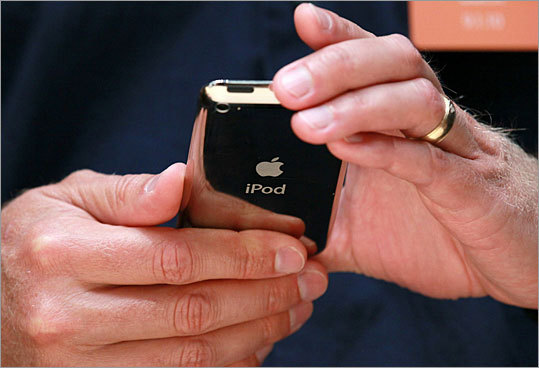
The new line of iPods will feature a built in FM tuner that can also display photos. The iPod will also now be completely touch screen, and will not have any buttons on the device itself. It will cost a total of $149 for the 8 GB version of the iPod and $179 for the 16 GB version.
 The AirTunes software is being renamed AirPlay, and will allow users to switch video streaming from an iPad or iPhone to an Apple TV device.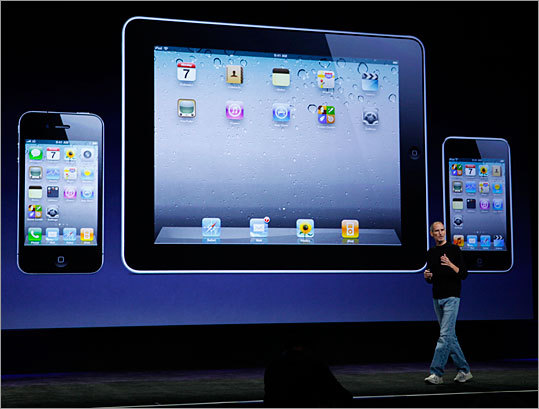
The new Shuffles will cost $49 and come with 2 gigabytes of memory and a 15-hour battery life.

New iPod nano

The Nano is getting a new look that puts it more in line with the iPod Touch functionality, as the new Nano will feature a touchscreen with controls for playing, pausing, and selecting music.
Source1:
Source2:
Source3:
Wednesday, July 28, 2010
Satellite Direct TV - Watch Over 3500 HD Channels

What if there was a way for you to watch thousands of television channels, any time you want and never pay another cable bill again? With Satellite Direct, there is.
Satellite Direct is a new way to watch TV- from the convenience of your own desktop PC or laptop. Why pay over $100 a month for a cable or satellite television subscription with limited channel availability, when you can get a lifetime of unlimited access to over 3,500 channels for less than half of that?
Just some of the benefits of choosing Satellite Direct over cable:
24/7 unlimited access to over 3,500 channels
Hard to find international channels, as well as all the best movies, sports and news shows- at no additional cost
No hardware to install
No bandwidth limits
No subscription or installation fees - EVER
Automatic channel updates
Satellite Direct is a new way to watch TV- from the convenience of your own desktop PC or laptop. Why pay over $100 a month for a cable or satellite television subscription with limited channel availability, when you can get a lifetime of unlimited access to over 3,500 channels for less than half of that?
Just some of the benefits of choosing Satellite Direct over cable:
24/7 unlimited access to over 3,500 channels
Hard to find international channels, as well as all the best movies, sports and news shows- at no additional cost
No hardware to install
No bandwidth limits
No subscription or installation fees - EVER
Automatic channel updates
And best of all Youll never have to pay another monthly cable or satellite bill again!
Why settle for other TV for PC services that deliver poor sound and picture quality, or come loaded with hidden fees? With world class customer service and support, making the switch to Satellite Direct will be one of the best decisions youve made for your family in a long time. (And with no hardware to install and no waiting around for hours for the cable guy to show up it will be one of the easiest, as well)
Switching to Satellite Direct is simple and straightforward: Just answer a few questions using our safe and secure registration process. After your one time payment, you can download our easy to use software directly onto your PC or laptop.
Then sit back and enjoy thousands of premium channels, any time you want. Thats it!
Don't pay another cable bill.
Monday, July 26, 2010
Where are all the Starcraft 2 reviews?
Starcraft 2 review copies have not been provided to the tech press, which means reviews of Starcraft 2 won't hit the Web until tomorrow morning – at the earliest.
Frantically clicking around the Web in search of a StarCraft 2 review? Put the mouse down and slowly – slowly! – step away from your desk. Accordingly to the team at Ars Technica, which spoke with a rep at Blizzard Entertainment, StarCraft 2 review copies were not doled out to any critics in anticipation of tomorrow's launch. That means the press will be playing StarCraft 2 at the same time you do.It also means you're going to have to be patient – complete reviews likely won't hit the Web until tomorrow morning at the earliest.
StarCraft 2, of course, is a science-fiction strategy game developed for the Mac OS X and Microsoft Windows. The game is a sequel to the 1998 breakthrough smash hit StarCraft, which reportedly sold upwards of 11 million copies, and raised the bar for strategy games. StarCraft 2 will feature some of the same alien races from the first installment, as well as a bevy of new characters and locations.
Ben Kuchera of Ars Technica says that "as a gamer and a reviewer I'd rather be playing [Starcraft 2] now," but he admits that "Blizzard's strategy is right for this particular game." He continues:
This is expected to be one of the largest events in PC gaming of the past few years. Blizzard doesn't exactly need any more early buzz to get gamers ready to buy. Also, a large part of the StarCraft 2 experience exists in the new and updated Battle.net service, and reviewers will be playing games against other actual gamers, sharing their achievements with their friends who bought the game, and interacting using all the live features, filled with eager gamers.
Hollywood often stints on screening new movies for critics, but usually only in the case of a particularly lackluster flick. In Blizzard's case, it seems to be holding back on StarCraft 2 previews for the opposite reason: the game is enough of a media magnet that Blizzard doesn't need the press.
In other computer gaming news, Valve recently re-released the third-person shooter Alien Swarm for the Steam platform. The newest iteration of Alien Swarm includes the complete code base, so amateur designers can tinker around with the game until the cows come home. Alien Swarm is itself a modification of Unreal Tournament 2004, a top-selling video game built on the Unreal Engine.
Source:Starcraft 2
Top Five Money-Saving Tips For Savvy Toner & Inkjet Cartridge Shoppers
Toner is costly. There's no way around it. But there's a few techniques you can implement to keep some of that money in your pocket. The next time your printed documents start looking more grey than black, try our top five money-saving tips.
1. Purchase Compatible Cartridges. Instead of buying genuine manufacturer toner cartridges, give compatible ones a try. These cartridges are made to the same specifications, but are developed by third-party manufacturers. So you still get the same quality, but at a much lower cost.
2. Shop Online. Because online shops don't require costly storefronts or associated overhead, these companies typically discount products below that of your local office supply shop. So you can usually get a much better deal online.
3. Buy a Toner Refill Kit. You can typically save up to 70 percent on toner and cartridges by using a toner refill kit. These kits include all the guidelines and tools you need to refill toner cartridges yourself.
Using a refill kit, consumers can typically get up to three refills before ever having to buy a new cartridge.
4. Use a Mall Kiosk. If you don't want to refill your toner or ink on your own, you can still save money by using a mall kiosk. They may be able to refill your printer cartridge for you at a reasonable price.
5. Buy in Higher Quantities. Some companies offer discounts on bulk purchases. So stock up and save.
If you're diligent enough to shop around and use some wise alternatives, your toner and printing expenses can be markedly reduced.
1. Purchase Compatible Cartridges. Instead of buying genuine manufacturer toner cartridges, give compatible ones a try. These cartridges are made to the same specifications, but are developed by third-party manufacturers. So you still get the same quality, but at a much lower cost.
2. Shop Online. Because online shops don't require costly storefronts or associated overhead, these companies typically discount products below that of your local office supply shop. So you can usually get a much better deal online.
3. Buy a Toner Refill Kit. You can typically save up to 70 percent on toner and cartridges by using a toner refill kit. These kits include all the guidelines and tools you need to refill toner cartridges yourself.
Using a refill kit, consumers can typically get up to three refills before ever having to buy a new cartridge.
4. Use a Mall Kiosk. If you don't want to refill your toner or ink on your own, you can still save money by using a mall kiosk. They may be able to refill your printer cartridge for you at a reasonable price.
5. Buy in Higher Quantities. Some companies offer discounts on bulk purchases. So stock up and save.
If you're diligent enough to shop around and use some wise alternatives, your toner and printing expenses can be markedly reduced.
Electronic Air Cleaners – Low Maintenance for Big Improvements in Air Quality
Electronic air cleaners are a relatively inexpensive and low maintenance way of removing airborne particles from the atmosphere in your home. Using electrostatic technology to provide a sort of filterless air purifier, electronic air cleaners are a safe way to keep your air particle, fume and dust-free.
These filterless air purifiers work by using the scientific principle of electrostatics. This law means that substances with opposite charges are attracted to one another, and electronic air purifiers harness the power of this principle by collecting the air and giving any particles gathered a charge. The charge emitted by electronic air cleaners is completely harmless to humans, but draws the collected particles to a plate within the cleaner, where they remain, safety extracted from your breathing air.
Electronic air cleaners are ninety five percent effective in removing particles and fumes from the air in your home, collecting the offending substances on plates stored safely inside the purifier. Some people find the disadvantage of electronic air cleaners to lie exactly here – these collection plates must be cleaned regularly in order to maintain the unit’s efficiency. This is, however, a relatively simple task – the collection plates are cleaned by wiping them with a damp cloth. This simple maintenance task ensures that your electronic air purifier continues to be effective in keeping your environment dust, fume and particle-free.
Look for electronic air cleaners with good-sized collection plates, as this will increase the effectiveness of your machine, and reduce the frequency of cleaning. Air cleaners with a more powerful electric field will also increase efficiency, creating cleaner air for you.
So while parts of this filterless air purifier still need to be cleaned, the effectiveness of electronic air purifiers makes them a popular choice regardless of this small maintenance chore. And removing ninety five percent of offending particles from the air in your home, electronic air cleaners will help provide your family with an environment that is safe and healthy for everyone. Well worth the work!
Electronic air cleaners are a simple and effective but low maintenance method of cleaning the air you breath.
These filterless air purifiers work by using the scientific principle of electrostatics. This law means that substances with opposite charges are attracted to one another, and electronic air purifiers harness the power of this principle by collecting the air and giving any particles gathered a charge. The charge emitted by electronic air cleaners is completely harmless to humans, but draws the collected particles to a plate within the cleaner, where they remain, safety extracted from your breathing air.
Electronic air cleaners are ninety five percent effective in removing particles and fumes from the air in your home, collecting the offending substances on plates stored safely inside the purifier. Some people find the disadvantage of electronic air cleaners to lie exactly here – these collection plates must be cleaned regularly in order to maintain the unit’s efficiency. This is, however, a relatively simple task – the collection plates are cleaned by wiping them with a damp cloth. This simple maintenance task ensures that your electronic air purifier continues to be effective in keeping your environment dust, fume and particle-free.
Look for electronic air cleaners with good-sized collection plates, as this will increase the effectiveness of your machine, and reduce the frequency of cleaning. Air cleaners with a more powerful electric field will also increase efficiency, creating cleaner air for you.
So while parts of this filterless air purifier still need to be cleaned, the effectiveness of electronic air purifiers makes them a popular choice regardless of this small maintenance chore. And removing ninety five percent of offending particles from the air in your home, electronic air cleaners will help provide your family with an environment that is safe and healthy for everyone. Well worth the work!
Electronic air cleaners are a simple and effective but low maintenance method of cleaning the air you breath.
Sunday, August 5, 2007
Diebold Voting Machines Vulnerable to Virus Attack
An analysis of Diebold's source code shows that a hacker with access to a single voting machine could use a virus to affect an election.
Sumner Lemon, IDG News Service
Thursday, August 02, 2007 11:00 PM PDT
Source: http://www.pcworld.com/article/id,135461-c,techindustrytrends/article.html
Diebold Election Systems Inc. voting machines are not secure enough to guarantee a trustworthy election, and an attacker with access to a single machine could disrupt or change the outcome of an election using viruses, according to a review of Diebold's source code.
"The software contains serious design flaws that have led directly to specific vulnerabilities that attackers could exploit to affect election outcomes," read the University of California at Berkeley report, commissioned by the California Secretary of State as part of a two-month "top-to-bottom" review of electronic voting systems certified for use in California.
The assessment of Diebold's source code revealed an attacker needs only limited access to compromise an election.
"An attack could plausibly be accomplished by a single skilled individual with temporary access to a single voting machine. The damage could be extensive -- malicious code could spread to every voting machine in polling places and to county election servers," it said.
The report, titled "Source Code Review of the Diebold Voting System," was apparently released Thursday, just one day before California Secretary of State Debra Bowen is to decide which machines are certified for use in California's 2008 presidential primary elections.
The source-code review identified four main weaknesses in Diebold's software, including: vulnerabilities that allow an attacker to install malware on the machines, a failure to guarantee the secrecy of ballots, a lack of controls to prevent election workers from tampering with ballots and results, and susceptibility to viruses that could allow attackers to an influence an election.
"A virus could allow an attacker who only had access to a few machines or memory cards, or possibly to only one, to spread malicious software to most, if not all, of a county's voting machines," the report said. "Thus, large-scale election fraud in the Diebold system does not necessarily require physical access to a large number of voting machines."
The report warned that a paper trail of votes cast is not sufficient to guarantee the integrity of an election using the machines. "Malicious code might be able to subtly influence close elections, and it could disrupt elections by causing widespread equipment failure on election day," it said.
The source-code review went on to warn that commercial antivirus scanners do not offer adequate protection for the voting machines. "They are not designed to detect virally propagating malicious code that targets voting equipment and voting software," it said.
In conclusion, the report said Diebold's voting machines had not been designed with security as a priority. "For this reason, the safest way to repair the Diebold system is to reengineer it so that it is secure by design," it said.
The Diebold source-code review and several other documents, including a review of source code used in other voting systems, had earlier been withheld from release by the Secretary of State, even as other reports related to the review of voting machines were released on July 27.
An explanation posted on the Secretary of State's Web site on July 27 noted the source-code review and other reports had been submitted on time. "Their reports will be posted as soon as the Secretary of State ensures the reports do not inadvertently disclose security-sensitive information," the Web site said.
The delayed release of the source-code review meant that David Wagner, an associate professor of computer science at the University of California at Berkeley and an author of the report, was not able to present his findings at a public hearing held on July 30 to discuss the results of the voting system review.
Sumner Lemon, IDG News Service
Thursday, August 02, 2007 11:00 PM PDT
Source: http://www.pcworld.com/article/id,135461-c,techindustrytrends/article.html
Diebold Election Systems Inc. voting machines are not secure enough to guarantee a trustworthy election, and an attacker with access to a single machine could disrupt or change the outcome of an election using viruses, according to a review of Diebold's source code.
"The software contains serious design flaws that have led directly to specific vulnerabilities that attackers could exploit to affect election outcomes," read the University of California at Berkeley report, commissioned by the California Secretary of State as part of a two-month "top-to-bottom" review of electronic voting systems certified for use in California.
The assessment of Diebold's source code revealed an attacker needs only limited access to compromise an election.
"An attack could plausibly be accomplished by a single skilled individual with temporary access to a single voting machine. The damage could be extensive -- malicious code could spread to every voting machine in polling places and to county election servers," it said.
The report, titled "Source Code Review of the Diebold Voting System," was apparently released Thursday, just one day before California Secretary of State Debra Bowen is to decide which machines are certified for use in California's 2008 presidential primary elections.
The source-code review identified four main weaknesses in Diebold's software, including: vulnerabilities that allow an attacker to install malware on the machines, a failure to guarantee the secrecy of ballots, a lack of controls to prevent election workers from tampering with ballots and results, and susceptibility to viruses that could allow attackers to an influence an election.
"A virus could allow an attacker who only had access to a few machines or memory cards, or possibly to only one, to spread malicious software to most, if not all, of a county's voting machines," the report said. "Thus, large-scale election fraud in the Diebold system does not necessarily require physical access to a large number of voting machines."
The report warned that a paper trail of votes cast is not sufficient to guarantee the integrity of an election using the machines. "Malicious code might be able to subtly influence close elections, and it could disrupt elections by causing widespread equipment failure on election day," it said.
The source-code review went on to warn that commercial antivirus scanners do not offer adequate protection for the voting machines. "They are not designed to detect virally propagating malicious code that targets voting equipment and voting software," it said.
In conclusion, the report said Diebold's voting machines had not been designed with security as a priority. "For this reason, the safest way to repair the Diebold system is to reengineer it so that it is secure by design," it said.
The Diebold source-code review and several other documents, including a review of source code used in other voting systems, had earlier been withheld from release by the Secretary of State, even as other reports related to the review of voting machines were released on July 27.
An explanation posted on the Secretary of State's Web site on July 27 noted the source-code review and other reports had been submitted on time. "Their reports will be posted as soon as the Secretary of State ensures the reports do not inadvertently disclose security-sensitive information," the Web site said.
The delayed release of the source-code review meant that David Wagner, an associate professor of computer science at the University of California at Berkeley and an author of the report, was not able to present his findings at a public hearing held on July 30 to discuss the results of the voting system review.
Monday, June 25, 2007
The Best and Worst ISPs
Our exclusive survey reveals which companies you think provide the best and worst service.
Jeff Bertolucci, PC World
Wednesday, June 20, 2007 1:00 AM PDT
Source: http://www.pcworld.com/article/id,133019/article.html
You want a faster Internet? So does IT professional Chris Hesler of Cincinnati. When his 5-megabits-per-second Road Runner broadband connection from Time Warner Cable proved too sluggish for his needs, Hesler, 22, upgraded to the company's top-of-the-line 8-mbps service. For him, the reduced latency times and 512-kilobits-per-second upload speed (up from 256 kbps) paid off.
"My roommate and I play a lot of video games, like World of Warcraft. We switched to get our latency times down a little bit on the games," says Hesler, who now has the ability to download a 1GB document in just 20 minutes.
That's fast, perhaps, but not fast enough--especially when it comes to uploads. Like many broadband users, Hesler craves more bandwidth: "I wish they'd increase the upload speed to at least a meg."
Chart: Fiber and Cable Providers Continue to Impress Home Users
Verizon came out on top with its FiOS ISP service; last year's favorite, Cablevision, came in a close second, tied with Cox. Click either the link or the icon below to see how ISPs scored.
http://www.pcworld.com/zoom?id=133019&page=1&type=table&zoomIdx=2
Jeff Bertolucci, PC World
Wednesday, June 20, 2007 1:00 AM PDT
Source: http://www.pcworld.com/article/id,133019/article.html
You want a faster Internet? So does IT professional Chris Hesler of Cincinnati. When his 5-megabits-per-second Road Runner broadband connection from Time Warner Cable proved too sluggish for his needs, Hesler, 22, upgraded to the company's top-of-the-line 8-mbps service. For him, the reduced latency times and 512-kilobits-per-second upload speed (up from 256 kbps) paid off.
"My roommate and I play a lot of video games, like World of Warcraft. We switched to get our latency times down a little bit on the games," says Hesler, who now has the ability to download a 1GB document in just 20 minutes.
That's fast, perhaps, but not fast enough--especially when it comes to uploads. Like many broadband users, Hesler craves more bandwidth: "I wish they'd increase the upload speed to at least a meg."
Chart: Fiber and Cable Providers Continue to Impress Home Users
Verizon came out on top with its FiOS ISP service; last year's favorite, Cablevision, came in a close second, tied with Cox. Click either the link or the icon below to see how ISPs scored.
http://www.pcworld.com/zoom?id=133019&page=1&type=table&zoomIdx=2
Sunday, April 1, 2007
Mozilla Updates Mobile Browser
Update: Free downloadable Minimo adds features but faces ongoing stronger competition.
Nancy Gohring, IDG News Service
Sunday, April 01, 2007 01:00 AM PDT
Source: http://www.pcworld.com/article/id,130290-c,mozilla/article.html
The newest version of Minimo, the Mozilla mobile browser, became available this week in the midst of changes within the Minimo project that make its future uncertain.
Minimo 0.2, available for free download, is compatible with Windows Mobile 5.0 and is smaller and faster than previous versions, according to early users who posted comments to the blog about the browser. It also supports GPS (Global Positioning System), a cleaner user interface and a start page that includes bookmarks and search. Minimo is designed to be an alternative to the browser that comes with Windows Mobile and its creators promote its speed in accessing sites and other features such as tabs, better security and support for widgets.
The Minimo project, which isn't a Mozilla Corp. endeavor but is hosted by Mozilla.org, was one of the earliest third-party mobile browser initiatives but seems to have been eclipsed by other developers, including Opera Software ASA.
In 2004, when Minimo seemed promising, Nokia Corp. made a financial investment in the initiative. But around the middle of 2004, users were posting questions to the Minimo forum asking if the project was still alive. By the following year, Nokia announced that it was developing its own browser using open-source components from Apple Inc.'s Safari browser that would be used in its future smartphones.
Those ups and downs have been tied to financing, said Doug Turner, the leader of the project. "It is an open source project that has had some financial backing, and during those times, we push hard. When there isn't funding, we keep it alive because it is something we use," he wrote in an e-mail.
Now, even after the most recent release, the future of Minimo is unclear. In late December, Turner wrote that he wouldn't be dedicating much time to it in the future. "There are lots of browsers in the space, the market is tightly controlled by cellular operators, and the end users aren't using the browser," he wrote on his blog. "This will change, but not for a few years."
He points to a market share report that shows that all mobile browsers combined don't add up to 1 percent of Internet use.
Opera, which also offers a free browser for phones including those running the newest OS from Microsoft, Windows Mobile 6.0, has been attracting more and more users. In February, there were 216,283 downloads of Opera's browser for Windows Mobile Smartphone and Pocket PC editions, up from 142,502 in the same month last year, Opera said.
Turner argues that Minimo has also held its own.
Minimo may end up heading in a different direction in order to better compete. "At the Firefox Summit, we had a brainstorming session that exposed some ideas that would help improve the lives of Firefox users that have mobile phones without having to build a full browser for the mobile handset. Things that we could do in a few months, rather than many years," Turner wrote in the blog posting. He plans to continue flushing out these ideas in the coming months.
Minimo may end up heading in a different direction in order to better compete. "At the Firefox Summit, we had a brainstorming session that exposed some ideas that would help improve the lives of Firefox users that have mobile phones without having to build a full browser for the mobile handset. Things that we could do in a few months, rather than many years," Turner wrote in the blog posting. He plans to continue flushing out these ideas in the coming months.
Both Minimo and Opera face renewed competition from Microsoft, which just this week began previewing new technology that could be included in future versions of its mobile browser.
Nancy Gohring, IDG News Service
Sunday, April 01, 2007 01:00 AM PDT
Source: http://www.pcworld.com/article/id,130290-c,mozilla/article.html
The newest version of Minimo, the Mozilla mobile browser, became available this week in the midst of changes within the Minimo project that make its future uncertain.
Minimo 0.2, available for free download, is compatible with Windows Mobile 5.0 and is smaller and faster than previous versions, according to early users who posted comments to the blog about the browser. It also supports GPS (Global Positioning System), a cleaner user interface and a start page that includes bookmarks and search. Minimo is designed to be an alternative to the browser that comes with Windows Mobile and its creators promote its speed in accessing sites and other features such as tabs, better security and support for widgets.
The Minimo project, which isn't a Mozilla Corp. endeavor but is hosted by Mozilla.org, was one of the earliest third-party mobile browser initiatives but seems to have been eclipsed by other developers, including Opera Software ASA.
In 2004, when Minimo seemed promising, Nokia Corp. made a financial investment in the initiative. But around the middle of 2004, users were posting questions to the Minimo forum asking if the project was still alive. By the following year, Nokia announced that it was developing its own browser using open-source components from Apple Inc.'s Safari browser that would be used in its future smartphones.
Those ups and downs have been tied to financing, said Doug Turner, the leader of the project. "It is an open source project that has had some financial backing, and during those times, we push hard. When there isn't funding, we keep it alive because it is something we use," he wrote in an e-mail.
Now, even after the most recent release, the future of Minimo is unclear. In late December, Turner wrote that he wouldn't be dedicating much time to it in the future. "There are lots of browsers in the space, the market is tightly controlled by cellular operators, and the end users aren't using the browser," he wrote on his blog. "This will change, but not for a few years."
He points to a market share report that shows that all mobile browsers combined don't add up to 1 percent of Internet use.
Opera, which also offers a free browser for phones including those running the newest OS from Microsoft, Windows Mobile 6.0, has been attracting more and more users. In February, there were 216,283 downloads of Opera's browser for Windows Mobile Smartphone and Pocket PC editions, up from 142,502 in the same month last year, Opera said.
Turner argues that Minimo has also held its own.
Minimo may end up heading in a different direction in order to better compete. "At the Firefox Summit, we had a brainstorming session that exposed some ideas that would help improve the lives of Firefox users that have mobile phones without having to build a full browser for the mobile handset. Things that we could do in a few months, rather than many years," Turner wrote in the blog posting. He plans to continue flushing out these ideas in the coming months.
Minimo may end up heading in a different direction in order to better compete. "At the Firefox Summit, we had a brainstorming session that exposed some ideas that would help improve the lives of Firefox users that have mobile phones without having to build a full browser for the mobile handset. Things that we could do in a few months, rather than many years," Turner wrote in the blog posting. He plans to continue flushing out these ideas in the coming months.
Both Minimo and Opera face renewed competition from Microsoft, which just this week began previewing new technology that could be included in future versions of its mobile browser.
Wednesday, March 28, 2007
Opera Previews New Web, Mobile Browsers
Opera says its beta browser gives users a more convenient way to access their most visited sites.
Elizabeth Montalbano, IDG News Service
Wednesday, March 28, 2007 12:00 PM GMT-08:00
Source: http://www.pcworld.com/article/id,130209-c,browsers/article.html
Opera Software ASA released two technologies to beta testing Wednesday, one that the company said gives Web browser users a more convenient way to access their most visited sites, and another that shows off the next version of the Opera Mobile browser for Windows Mobile devices.
The Oslo company introduced Speed Dial, a new feature that lets people create nine visual bookmarks to their top Web sites that are immediately available in any new tab. The feature will be available in Opera 9.2 and is now available in beta from Opera's Web site.
Opera also unveiled a technology preview of the next release of the Opera browser for Windows Mobile. With Opera Mobile 8.65 users across all the PocketPC and smartphone versions of Windows Mobile will received new features such as searching directly in the address bar, copy text, save function for images and the ability to import Internet Explorer bookmarks. The Opera Mobile 8.65 beta is also available on Opera's Web site.
Opera has had more widespread success with its mobile browser than it has with its desktop version since it decided in August 2004 to ship browsers for devices running Microsoft's Windows Mobile OS. While the Opera Web browser trails Microsoft Corp.'s Internet Explorer and Mozilla Corp.'s Firefox in market share reports, Opera has been successful in teaming with handset providers to offer its mobile browser on numerous devices. Just last month Microsoft said it plans to offer Opera Mobile in addition to its own mobile browser on some of the first devices that will run the new Windows Mobile 6 OS. The company came up with the idea of Speed Dial for its Web browser because people generally visit about five to 10 sites every day, said Johan Borg, team manager for Opera's desktop browser, in a press release. The new feature is aimed at giving them instant access to those sites, he said.
With each blank tab, Speed Dial presents a thumbnail preview of the top nine sites as selected by the user. Users also can enter the number corresponding with each bookmarked Speed Dial page in Opera's address field to access the page.
In addition to releasing the Opera Mobile 8.65 beta, Opera also announced some new Windows Mobile handsets on which users can now find Opera Mobile. Over the last few months, the browser became available on the following Windows Mobile devices: Motorola MOTO Q q9; the ASUS V1210 for Vodafone International and the VDA IV for Vodafone Germany; T-Mobile Ameo; Dopod U1000 in Asia; and the Toshiba G500.
Elizabeth Montalbano, IDG News Service
Wednesday, March 28, 2007 12:00 PM GMT-08:00
Source: http://www.pcworld.com/article/id,130209-c,browsers/article.html
Opera Software ASA released two technologies to beta testing Wednesday, one that the company said gives Web browser users a more convenient way to access their most visited sites, and another that shows off the next version of the Opera Mobile browser for Windows Mobile devices.
The Oslo company introduced Speed Dial, a new feature that lets people create nine visual bookmarks to their top Web sites that are immediately available in any new tab. The feature will be available in Opera 9.2 and is now available in beta from Opera's Web site.
Opera also unveiled a technology preview of the next release of the Opera browser for Windows Mobile. With Opera Mobile 8.65 users across all the PocketPC and smartphone versions of Windows Mobile will received new features such as searching directly in the address bar, copy text, save function for images and the ability to import Internet Explorer bookmarks. The Opera Mobile 8.65 beta is also available on Opera's Web site.
Opera has had more widespread success with its mobile browser than it has with its desktop version since it decided in August 2004 to ship browsers for devices running Microsoft's Windows Mobile OS. While the Opera Web browser trails Microsoft Corp.'s Internet Explorer and Mozilla Corp.'s Firefox in market share reports, Opera has been successful in teaming with handset providers to offer its mobile browser on numerous devices. Just last month Microsoft said it plans to offer Opera Mobile in addition to its own mobile browser on some of the first devices that will run the new Windows Mobile 6 OS. The company came up with the idea of Speed Dial for its Web browser because people generally visit about five to 10 sites every day, said Johan Borg, team manager for Opera's desktop browser, in a press release. The new feature is aimed at giving them instant access to those sites, he said.
With each blank tab, Speed Dial presents a thumbnail preview of the top nine sites as selected by the user. Users also can enter the number corresponding with each bookmarked Speed Dial page in Opera's address field to access the page.
In addition to releasing the Opera Mobile 8.65 beta, Opera also announced some new Windows Mobile handsets on which users can now find Opera Mobile. Over the last few months, the browser became available on the following Windows Mobile devices: Motorola MOTO Q q9; the ASUS V1210 for Vodafone International and the VDA IV for Vodafone Germany; T-Mobile Ameo; Dopod U1000 in Asia; and the Toshiba G500.
Tuesday, March 27, 2007
Google Apps' Gmail Faces Downtime Problems
Google is grappling with performance and availability problems in its free Gmail service for at least the third time this month,
Juan Carlos Perez, IDG News Service
Juan Carlos Perez, IDG News Service
Tuesday, March 27, 2007 04:00 PM GMT-08:00
Source: http://www.pcworld.com/article/id,130187/article.html
For at least the third time this month, Google is grappling with performance and availability problems in the Gmail service of Google Apps, the suite of hosted services that many consider a potential threat to Microsoft's Office suite of desktop software.
The latest problem began affecting users on Tuesday morning (EDT). It remained unresolved Tuesday evening, affecting also regular Gmail users who aren't on Google Apps, according to a company spokesman.
"A number of Gmail users are having some difficulty accessing and sending mail, and we are working as quickly as we can to resolve the problem. Some Google Apps accounts are also affected," he wrote via e-mail. "We know how important e-mail is to our users, so we take issues like this very seriously."
Background
The software-as-a-service model, in which applications are hosted centrally by their provider, has generated enthusiasm as an alternative to the traditional approach of having users load and maintain software on their own servers and PCs. Championed by Google and seen as a threat to Microsoft's core business, this software-as-a-service model, however, has an Achilles heel: availability problems.
Several threads on the Google Apps discussion forum show that users started reporting problems accessing the Gmail component of the suite at around 10 a.m. EDT. A Google official who posts messages on behalf of the company in Google Apps discussion boards under the Google Guide name acknowledged passing on the complaints to the appropriate Google staffers in a thread at around 1:10 p.m. EDT.
Some time later, at close to 4 p.m. EDT, Google Guide popped up in another discussion thread, acknowledging the problem existed but saying it hadn't been solved yet.
"A subset of our users are still experiencing 'Server Errors' and 'Oops' messages when trying to access Google Apps email accounts. Since many of you depend on email communications, we want to assure you that we are working diligently to find a resolution. This is currently our top priority and we'll continue to post updates as they become available," this Google official wrote.
A similar Gmail access problem in Google Apps erupted on March 12 and apparently lasted at least two hours, as acknowledged by Google Guide in a thread.
On March 1st, Google Apps' Gmail was hit with an outage that affected some users starting at around 1:30 p.m. EDT, but it wasn't until more than 8 hours later that Google Guide declared the problem solved.
How Many Affected?
Source: http://www.pcworld.com/article/id,130187/article.html
For at least the third time this month, Google is grappling with performance and availability problems in the Gmail service of Google Apps, the suite of hosted services that many consider a potential threat to Microsoft's Office suite of desktop software.
The latest problem began affecting users on Tuesday morning (EDT). It remained unresolved Tuesday evening, affecting also regular Gmail users who aren't on Google Apps, according to a company spokesman.
"A number of Gmail users are having some difficulty accessing and sending mail, and we are working as quickly as we can to resolve the problem. Some Google Apps accounts are also affected," he wrote via e-mail. "We know how important e-mail is to our users, so we take issues like this very seriously."
Background
The software-as-a-service model, in which applications are hosted centrally by their provider, has generated enthusiasm as an alternative to the traditional approach of having users load and maintain software on their own servers and PCs. Championed by Google and seen as a threat to Microsoft's core business, this software-as-a-service model, however, has an Achilles heel: availability problems.
Several threads on the Google Apps discussion forum show that users started reporting problems accessing the Gmail component of the suite at around 10 a.m. EDT. A Google official who posts messages on behalf of the company in Google Apps discussion boards under the Google Guide name acknowledged passing on the complaints to the appropriate Google staffers in a thread at around 1:10 p.m. EDT.
Some time later, at close to 4 p.m. EDT, Google Guide popped up in another discussion thread, acknowledging the problem existed but saying it hadn't been solved yet.
"A subset of our users are still experiencing 'Server Errors' and 'Oops' messages when trying to access Google Apps email accounts. Since many of you depend on email communications, we want to assure you that we are working diligently to find a resolution. This is currently our top priority and we'll continue to post updates as they become available," this Google official wrote.
A similar Gmail access problem in Google Apps erupted on March 12 and apparently lasted at least two hours, as acknowledged by Google Guide in a thread.
On March 1st, Google Apps' Gmail was hit with an outage that affected some users starting at around 1:30 p.m. EDT, but it wasn't until more than 8 hours later that Google Guide declared the problem solved.
How Many Affected?
All three incidents this month have affected an undetermined "subset" of Google Apps users, including those on the Premier version of the suite, who pay a fee that grants them a service-level commitment from Google of 99.99 percent uptime. In fact, the March 1st incident prompted Google to offer its Premier customers an extension on their contract at no extra charge.
"As a gesture of appreciation, we are offering all of our Premier Edition customers the maximum credit specified in our SLA," Google Guide wrote at the time. "For those receiving a credit, your free trial of the Premier Edition will still expire on April 30th, 2007, but we will extend your contract to May 15, 2008. This translates to an extra 15 days of Google Apps free of charge."
Grant Cummings, an IT professional from Ohio, is a Premier customer affected by the Gmail problems. He pays the $50 per user annual Premier fee for himself and his wife, and hosts two personal sites on Google Apps: Nasal Passages and Ay-Ziggy-Zoomba.
"Today is the second major outage of service for one of us. About 2-3 weeks ago I was unable to log in, send or receive e-mail on my account, and today she's in the same boat," he wrote in an e-mail interview with IDG News Service.
Those having technical difficulties with Google Apps can contact the support team through the Google Apps Help Center.
Subscribe to:
Posts (Atom)